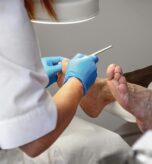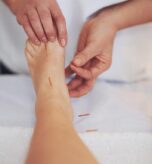
Good foot care can make daily life safer, more comfortable and more independent for an older person. If bending, eyesight, grip strength or mobility has made nail care difficult, a local chiropodist or podiatrist can often help at home, reducing the need for stressful travel. This guide explains how to search for reliable local support, what to ask before booking, and when simple nail care may need more clinical attention.
How do you find a trusted local chiropodist for an older person?
The safest way to find a trusted local chiropodist is to combine a targeted local search with a few practical checks before you book. Search terms such as “chiropodist home visits for elderly near me”, “home chiropodist near me”, “mobile podiatrist near me” or “visiting chiropodist near me” can help you find practitioners who already offer care in people’s homes. Once you have a shortlist, check whether they are appropriately qualified, insured, experienced with elderly clients, and clear about what happens during a visit.
A good practitioner should be able to explain their service without rushing you. They should ask about medical conditions, medication, diabetes, circulation problems, recent falls and any pain or wounds before starting treatment. If they dismiss health details as unimportant, that is a warning sign.
It is also worth asking neighbours, carers, sheltered housing managers, local pharmacies and GP practice noticeboards for recommendations. Personal suggestions can be useful, especially when you need someone patient, punctual and comfortable working with people who may be anxious, housebound or living with dementia.
Why home visits matter for elderly foot care
For many older people, travelling to an appointment is the hardest part of getting care. Steps, buses, taxis, bad weather and long waits can turn a short nail appointment into a tiring day. A home podiatrist or mobile chiropodist near me home visits service can remove that barrier and make regular foot care much easier to maintain.
Home visits are especially helpful when someone uses a walking frame, wheelchair or mobility scooter, or when they rely on family members for transport. They also allow the practitioner to see the person’s usual environment. That can be useful when discussing footwear, trip risks, swelling, pressure areas or how easy it is to wash and dry the feet safely.
Home chiropody is not just about convenience. Overgrown toenails can press into shoes, thicken, split, curl or make walking painful. Corns, callus and hard skin can also change the way someone walks, which may increase discomfort or instability. Regular care can help older people stay active, although any pain, infection, ulceration or sudden change should be assessed promptly by an appropriate healthcare professional.
Search phrases that can help you narrow the options
Local searches work best when they match the service you actually need. If you only type “toenail cutting near me”, you may see salons, beauty services, clinics and clinical podiatry practices all mixed together. Adding “elderly”, “home visit” or “mobile” helps filter results.
Useful search phrases include:
- “toenail cutting service for the elderly near me” if the main need is safe, routine nail care.
- “nail cutting service for elderly near me” or “nail cutting service” if you are comparing broader local options.
- “toe nail cutting near me”, “toenail cutting service near me” or “toe nail cutting service near me” for simple location-based searches.
- “toe nail cutting service at home” when travel is difficult or impossible.
- “mobile chiropodist near me”, “mobile chiropody near me” or “mobile chiropodist near me within 5 mi” when you want someone nearby who can visit regularly.
- “home visit chiropodists near me” if you prefer a practitioner who specifically advertises in-home care.
Do not rely on distance alone. The closest option is not always the best option for an elderly person’s needs. Look for clear communication, experience with older adults, sensible appointment times and a willingness to discuss health considerations before treatment.
What should you ask before booking?
Before booking, ask direct questions about qualifications, services, fees, appointment length, hygiene and what is included in the visit. A professional should be comfortable answering these questions and should not pressure you into booking immediately. The aim is to confirm that the service is safe, appropriate and suited to the older person’s level of need.
A simple call checklist can help:
- Do you provide home visits for elderly clients? Confirm they regularly work in private homes, care settings or supported accommodation.
- What foot care do you provide? Ask about nail trimming, thickened nails, corns, callus, cracked heels and footwear advice.
- Are there conditions you cannot treat at home? This matters if there is diabetes, poor circulation, infection, open skin or severe pain.
- What should we prepare before the visit? They may ask for good lighting, a firm chair, a towel and a list of medication or conditions.
- How do you clean your instruments? Hygiene matters, particularly for frail clients or anyone with fragile skin.
- Can a family member or carer be present? This can reassure the older person and help with consent, memory or communication.
If you are also looking for a finger nail cutting service for elderly relatives, ask whether the practitioner offers this as part of the appointment. Some foot health professionals may focus only on feet, while others may be able to help or suggest a suitable alternative.
Matching the service to the level of need
Not every older person needs the same type of appointment. Some simply need a regular toenail cutting service near me because they can no longer reach their feet comfortably. Others may need a more clinical appointment because they have thick nails, recurring corns, diabetes, reduced sensation, swelling or a history of foot wounds.
A basic nail cutting service may be suitable where the person has healthy skin, no significant medical risks and no pain beyond discomfort from long nails. A chiropody or podiatry appointment is usually more appropriate where there are medical conditions, problem nails, painful pressure areas or concerns about circulation and sensation. If you are unsure, explain the person’s health background when enquiring rather than choosing the cheapest or quickest option.
It is also sensible to think about frequency. Many older people benefit from routine appointments rather than waiting until nails become difficult again. The right interval varies, so ask the practitioner what they recommend after they have assessed the feet.
Signs a service is professional and elderly-friendly
A reliable home visit service should feel organised from the first contact. You should know who is coming, when they will arrive, what they will do, and how payment works. They should speak respectfully to the older person, not only to relatives or carers.
Positive signs include:
- They ask about health, medication and mobility before treatment.
- They explain what they are doing during the appointment.
- They bring appropriate equipment and maintain good hygiene.
- They offer clear aftercare advice, such as when to seek help for redness, swelling, discharge or increasing pain.
- They are realistic about what can be managed at home and when a clinic, GP or urgent care service may be more suitable.
Trust your instincts too. Elderly care is personal. The right practitioner should be calm, patient and willing to adapt the pace of the visit so the person feels safe.
A practical takeaway
Finding local foot care is easier when you search specifically for the service you need, then check suitability before booking. Phrases such as “chiropodist home visits for elderly near me”, “mobile chiropodist near me” and “home podiatrist” can point you towards convenient local options, but the real decision should be based on professionalism, experience and the older person’s health needs.
Good foot care is a small routine that can make a noticeable difference to comfort, walking and confidence. Take time to ask questions, involve the older person wherever possible, and choose a service that treats them with patience as well as practical skill.